
Expert-driven consultancy built on a deep knowledge of applied economics

We believe sound economic analysis can equip decision-makers with hard facts and clear stories to make better choices for the benefit of society.

Turning complexity into clarity
At Copenhagen Economics, we bring clarity to complex economic questions that shape markets and policies across the globe. We have delivered expert advice on thousands of projects, helping businesses, regulators, and governments make decisions that matter.
We support cases before competition authorities, courts, and policymakers, combining rigorous economic analysis with strategic insight. Our work spans merger control, antitrust investigations, trade policy, and energy markets – always grounded in evidence and tailored to the challenges our clients face.
-
We help clients build and convey the best economic argument when engaging with the competition authorities.
-
We help clients secure critical supply chains and build resilient defence capabilities through expert economic analysis.
-
We help clients build the best possible economic argument and communicate it to courts and arbitrators.
-
We help you tackle economic and regulatory challenges related to the green transition with deep expertise in energy economics, regulation, and policy.
-
We help clients with the economics of value-based healthcare and advocacy in life sciences.
-
We help clients navigate financial and macroeconomic complexity through data-driven analysis of markets, regulation, and investment strategies.
-
We provide independent economic analysis to decision-makers in mining and land-use intensive sectors.
-
We help clients understand, predict, and solve problems within postal and delivery markets.
-
We help private and public clients in preparing State aid notifications, assess the existence of aid, and quantify damages resulting from unlawful State aid.
-
We help clients when organising or bidding on tenders and auctions.
-
We help telecoms, media, technology, and digital clients to build and communicate their best economic arguments.
-
We help clients by quantifying the economic value of various kinds of intellectual property and intangible assets.
-
We help clients quantify the economic value of companies, shares, assets and IP for disputes and/or strategic purposes.
Insights that shape decisions
Deep analysis and perspectives on the issues that matter most.
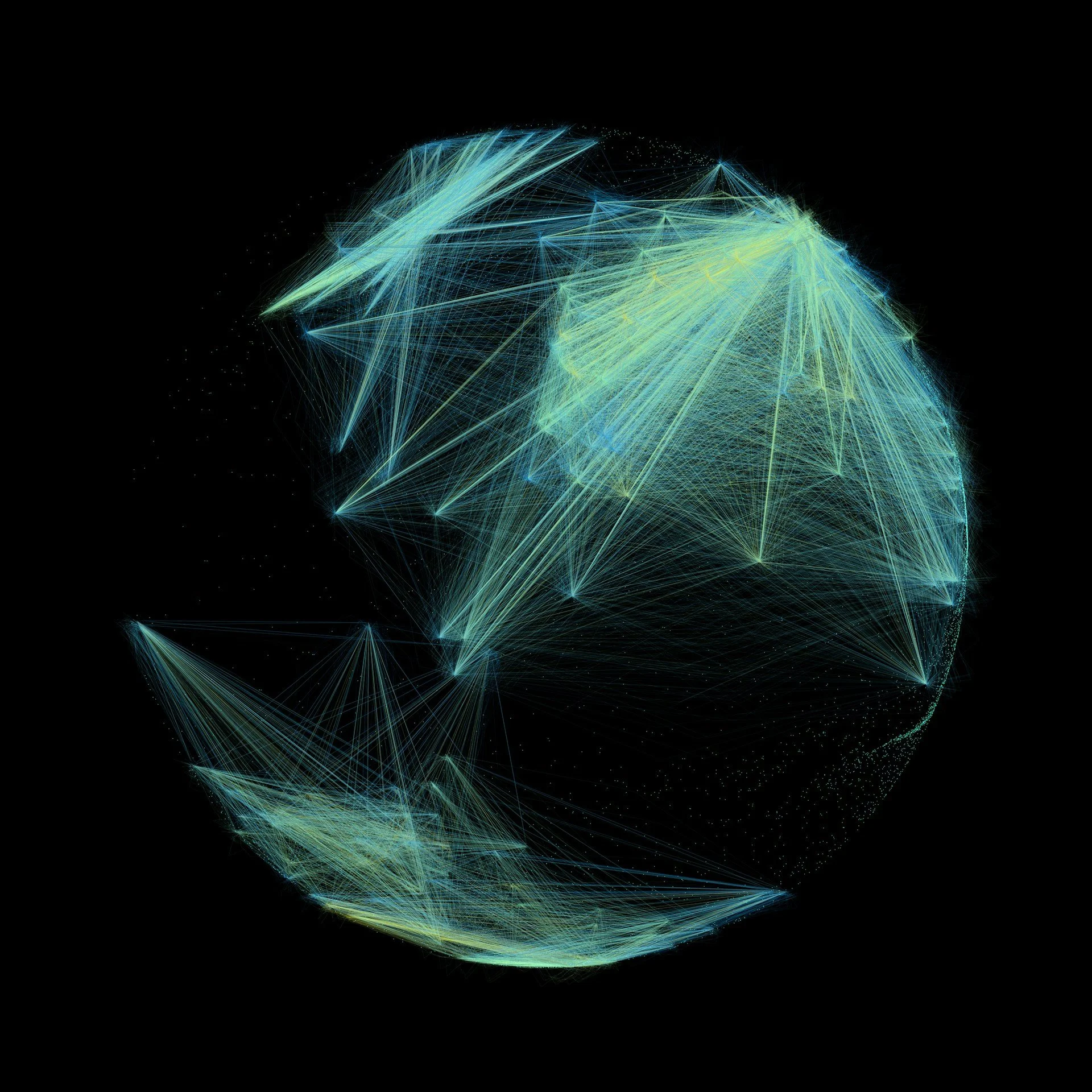







iNTERSECT
Navigate the green transition
Carbon neutrality by 2050 is one of the toughest challenges of our time. INTERSECT, developed by Copenhagen Economics and Bain & Company, shows the real economic impact of climate action and helps you choose the most resilient, cost-effective path forward.
This global CGE model reveals the economic impact of climate action, quantifies trade-offs, and identifies the most resilient, cost-effective paths to decarbonisation.

trusted by our clients
Driven by long-term relationships with returning clients.
Advising governments, regulators, and global corporations on complex economic challenges.
Globally recognised Expertise
Local market knowledge
We combine deep local market expertise with a broader global perspective.